

Shiba Inu
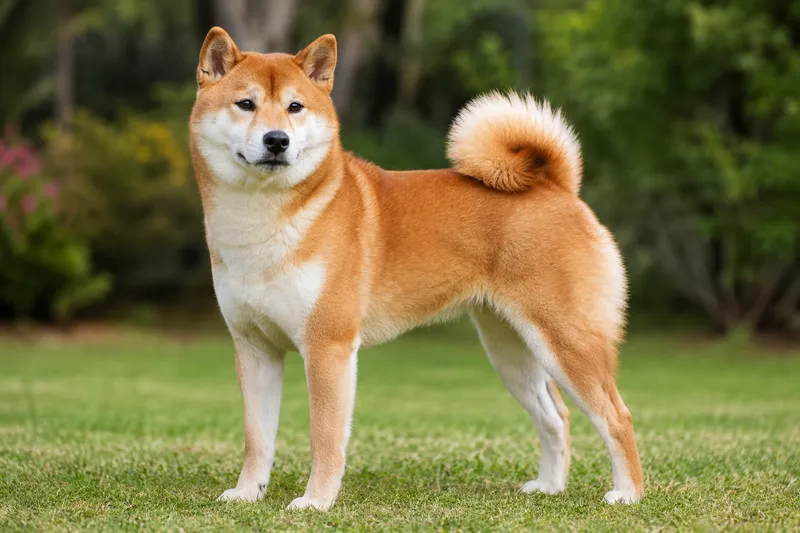
The Shiba Inu is a small, well-muscled Japanese Spitz-type dog with firmly erect triangular ears, a dense double coat, and a thick natural tail carried curled or in a sickle shape. Its compact body and light, brisk…
Recognized by: AKC · ANKC · +5
Size
Small
Weight
7.7–10.4 kg
Life span
13–16 years
Breed Traits
Energy Level
High energy
Energy Level: 4 of 5
Low energyHigh energyChild / Family Compatibility
Moderate compatibility
Child / Family Compatibility: 3 of 5
Low compatibilityHigh compatibilityGrooming Need
Moderate grooming need
Grooming Need: 3 of 5
Low maintenanceHigh maintenanceTrainability
Moderately trainable
Trainability: 3 of 5
Hard to trainEasy to trainApartment / Home Suitability
Fits apartments well
Apartment / Home Suitability: 4 of 5
Needs space / yardExcellent for apartmentsAlone-Time Tolerance
Handles a typical workday
Alone-Time Tolerance: 3 of 5
Needs frequent companyHandles long alone timeFirst-Time Owner Suitability
Challenging for beginners
First-Time Owner Suitability: 2 of 5
Needs experienced ownerGreat for first-time ownersCompatibility with Other Pets
Needs careful, gradual introductions
Compatibility with Other Pets: 2 of 5
Single-pet homes are a better fitHighly compatible with other animals
The Shiba Inu is a small, well-muscled Japanese Spitz-type dog with firmly erect triangular ears, a dense double coat, and a thick natural tail carried curled or in a sickle shape. Its compact body and light, brisk movement reflect the agility required of a dog developed for hunting in mountainous terrain.
The breed is one of Japan's native dog breeds and was historically used to locate and pursue birds and other game. Established colors include red, black and tan, and sesame under the Japanese and FCI standard, with the characteristic pale urajiro markings appearing on specified areas of the face and underside.
The FCI and UKC use the shorter name Shiba, while some organizations use Shiba Inu or Japanese Shiba Inu; these names refer to the same breed. The Shiba is distinct from the much larger Akita and should not be presented as a miniature variety of it.
Shiba Inus are commonly alert, confident, independent, and closely bonded with the people they trust. Many are reserved with unfamiliar people and prefer interaction on their own terms, so affection should not be forced or measured against the behavior of more socially demonstrative breeds.
They are intelligent and capable of learning, but they may evaluate whether cooperation is worthwhile rather than responding automatically. Short reward-based sessions, careful socialization, calm handling, and consistent boundaries are more effective than intimidation or repetitive drilling.
Dog-to-dog tolerance and prey drive vary, and some Shibas can be selective or confrontational with unfamiliar dogs. Early positive experiences help, but training cannot guarantee compatibility with every dog, cat, bird, or small animal.
A Shiba Inu needs daily exercise and mental engagement through walks, play, scent work, training, and safe opportunities to explore. Because prey drive, independence, and rapid reactions can make recall unreliable, secure fencing and a well-fitted leash or harness are essential in unenclosed areas.
The short double coat sheds throughout the year and heavily during seasonal coat changes. Weekly brushing is usually sufficient between shedding periods, with more frequent grooming when the undercoat is released; occasional bathing, routine nail trimming, dental care, and ear and skin checks remain necessary.
Shibas can be sensitive about restraint, paws, and grooming, so cooperative handling should be taught gradually from puppyhood. They need regular household contact and structured activity even though they may appear self-contained, and boredom can contribute to escape attempts, chewing, vocal behavior, or other unwanted habits.
Important health concerns in Shiba Inus include hip dysplasia, patellar luxation, inherited eye disorders, and allergic skin disease. Dental disease and other orthopedic, ophthalmic, or immune-related conditions may also occur, although individual and family-line risk varies.
Current official breeding recommendations prioritize hip, patella, and specialist eye evaluations. DNA tests are available for Shiba-specific variants associated with GM1 and GM2 gangliosidosis and may be relevant in particular countries or family lines, but they do not replace the core clinical screenings or pedigree health history.
Owners should seek veterinary assessment for persistent itching, recurrent skin or ear inflammation, limping, intermittent skipping of a hind leg, eye pain, impaired vision, or neurological changes. Buyers should request independently verifiable results for both parents rather than relying on general claims that the breed or a particular line is naturally healthy.
This information is for general educational purposes and is not a substitute for diagnosis or treatment by a veterinarian.
Recognizing organizations
Independent registries that list this breed. Tap a badge to learn more.
These statuses reflect each registry’s recording and show systems. They are not a health, quality, or superiority score.
AKCFull recognitionhttps://www.akc.org/dog-breeds/shiba-inu/ ANKCFull recognitionhttps://www.dogsaustralia.org.au/members/breeds/breed-standards/Shiba-Inu CKCRecognized breedhttps://www.ckc.ca/en/Choosing-a-Dog/Choosing-a-Breed/Non-Sporting-Dogs/Shiba-Inu FCIDefinitive recognitionhttps://www.fci.be/en/nomenclature/SHIBA-257.html NZKCRecognised breedhttps://www.dogsnz.org.nz/breeds/info/shiba-inu/639 RKCBreed Registerhttps://www.royalkennelclub.com/search/breeds-a-to-z/breeds/utility/japanese-shiba-inu/ UKCFull recognitionhttps://www.ukcdogs.com/conformation-breed-standards/shiba
Frequently asked questions
Can a Shiba Inu live in an apartment?
A Shiba Inu can adapt to apartment living when daily exercise, mental engagement, and reliable toilet opportunities are provided. Owners must also manage alert vocalization, hallway encounters, escape risks, and the dog's need for calm personal space.
How much exercise does a Shiba Inu need?
Most healthy adults benefit from daily walks, active play, training, and opportunities to investigate scents and new environments. Exercise should match the dog's age, health, and weather conditions, while outdoor freedom should be limited to securely enclosed spaces.
Are Shiba Inus good with children?
Some well-socialized Shibas live successfully with calm, considerate children who respect the dog's boundaries. Adult supervision is important because rough handling, chasing, crowding, or disturbing a resting dog may be poorly tolerated.
Can Shiba Inus live with other pets?
Some Shibas coexist peacefully with compatible dogs or cats, especially after careful early introductions. Strong prey drive and possible dog selectivity mean that compatibility with birds, small mammals, cats, or unfamiliar dogs should never be assumed.
Are Shiba Inus easy to train?
Shibas are intelligent but independent, so training is not always easy despite their ability to learn quickly. Brief reward-based sessions, consistent boundaries, early socialization, cooperative handling, and prevention of unwanted behavior are particularly important.
Can a Shiba Inu be trusted off leash?
Many Shibas have strong prey drive and may choose to chase or explore despite extensive recall training. A secure fenced area or attached leash is therefore safer than relying on obedience in open, unenclosed places.
Do Shiba Inus shed a lot?
Yes, the dense double coat sheds year-round and can release large amounts of undercoat seasonally. Weekly brushing and more frequent grooming during heavy shedding help manage loose hair, while shaving the normal coat is not routine maintenance.
What health screening should a Shiba Inu breeder provide?
Ask for independently verifiable hip, patella, and specialist eye results for both parents. Relevant GM1 or GM2 gangliosidosis DNA results may also be useful in some breeding populations, but screening cannot guarantee a puppy's future health.
More about Shiba Inu
Pet profiles are coming soon. For now, keep exploring trusted breed knowledge in the Breed Guide.
Back to Breed Guide