

Other Cat
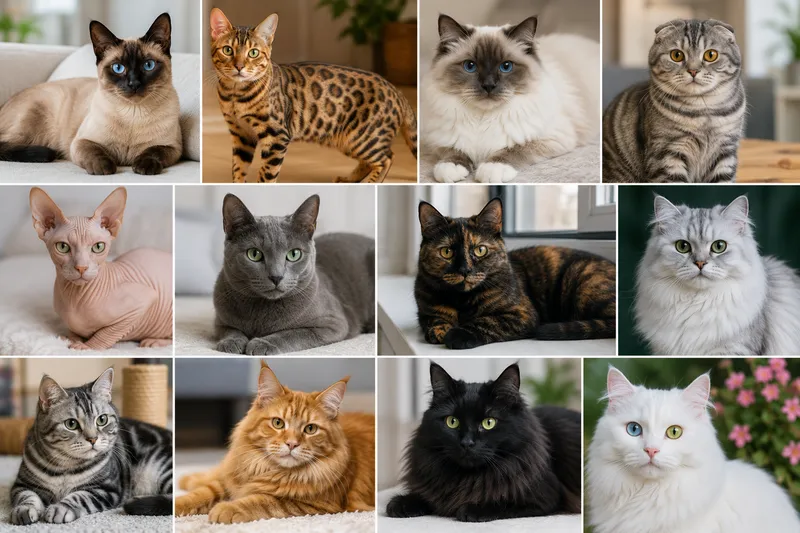
Other Cat is a general Atlas category for domestic cats that cannot be placed accurately into a more specific breed or predefined cat category. It is not a standardized pedigree breed and does not describe one ancestry,…
Boyut
Orta
Ağırlık
2.5–7 kg
Yaşam süresi
12–18 yıl
Irk Özellikleri
Enerji Seviyesi
Orta enerji
Enerji Seviyesi: 3 / 5
Düşük enerjiYüksek enerjiÇocuk / Aile Uyumu
Orta uyum
Çocuk / Aile Uyumu: 3 / 5
Düşük uyumYüksek uyumTüy Bakımı
Orta bakım ihtiyacı
Tüy Bakımı: 3 / 5
Az bakımYoğun bakımEğitilebilirlik
Orta eğitilebilirlik
Eğitilebilirlik: 3 / 5
Zor eğitilirKolay eğitilirApartman / Ev Yaşamına Uygunluk
Apartmanda iyi uyum
Apartman / Ev Yaşamına Uygunluk: 4 / 5
Geniş alan / bahçe gerekirApartmana çok uygunYalnız Kalma Toleransı
Tipik iş günü idare eder
Yalnız Kalma Toleransı: 3 / 5
Sürekli eşlik isterUzun yalnızlığa dayanırİlk Kez Sahiplenecekler İçin Uygunluk
Birçok ilk sahip için uygun
İlk Kez Sahiplenecekler İçin Uygunluk: 4 / 5
Deneyimli sahip gerekirİlk kez sahiplenmeye çok uygunDiğer Evcil Hayvanlarla Uyum
Doğru sosyalleştirmeyle uyum sağlayabilir
Diğer Evcil Hayvanlarla Uyum: 3 / 5
Tek evcil hayvanlı ev daha uygunDiğer hayvanlarla çok uyumlu
Other Cat is a general Atlas category for domestic cats that cannot be placed accurately into a more specific breed or predefined cat category. It is not a standardized pedigree breed and does not describe one ancestry, body type, coat length, colour, temperament, or genetic population.
A cat may fall into this category when its background is unusual, incomplete, or known not to match the available Atlas breed labels. Individuals can therefore vary from small and fine-boned to large and substantial, with short, medium, long, curly, sparse, or otherwise distinctive coats and almost any feline colour or pattern.
Whenever a more precise category becomes available, such as Domestic Shorthair, Domestic Medium Hair, Domestic Longhair, Mixed Breed, Street Cat, or a documented pedigree breed, that more specific classification is preferable. The Other Cat label should not be used to infer breed ancestry from appearance alone.
There is no single temperament associated with the Other Cat category. Individuals may be social or reserved, energetic or relaxed, highly vocal or quiet, independent or strongly attached to familiar people.
Behaviour is shaped by genetics, early socialization, health, age, previous experiences, and the current environment. Daily enrichment should therefore be adapted to the individual through interactive play, scratching opportunities, hiding places, elevated resting areas, food puzzles, and predictable voluntary social contact.
Some individuals live successfully with respectful children, compatible cats, and cat-friendly dogs, while others may prefer a quiet or single-pet household. Compatibility should be assessed from the individual cat's history, body language, and gradual introductions rather than from the category name.
Care requirements depend on the individual cat rather than the Other Cat label. Coat maintenance can range from occasional brushing for a short, simple coat to frequent combing for long, dense, curly, or mat-prone hair. Skin, ears, nails, teeth, and body condition should be checked routinely regardless of coat type.
Provide a complete life-stage-appropriate diet, clean litter facilities, scratching surfaces, hiding and resting areas, daily interactive activity, dental hygiene, nail care, and secure indoor or controlled outdoor conditions appropriate to the cat's lifestyle.
Owners should learn the cat's normal appetite, thirst, weight, grooming, movement, breathing, social behaviour, and litter-box habits. Persistent changes, pain, unexplained weight loss, reduced grooming, skin problems, or altered elimination should receive veterinary assessment rather than being attributed to an unknown background.
Other Cat does not represent one genetic population and therefore has no single breed-specific disease profile. Health risks depend on the individual cat's ancestry, age, sex, reproductive status, body condition, lifestyle, infectious-disease exposure, environment, and family history when known.
Breed-specific DNA testing should not be selected simply because the cat resembles a pedigree breed. When ancestry is documented or a particular inherited disorder is suspected, targeted genetic or clinical testing may be appropriate under veterinary guidance. Otherwise, general preventive healthcare and evidence from the individual cat are more informative than assumptions based on appearance.
Regular veterinary examinations, risk-based vaccination and parasite control, oral-health assessment, weight monitoring, and age-appropriate screening remain important. Any available previous medical records, outdoor exposure, reproductive status, chronic symptoms, and family information should be shared with the veterinarian. This information is for general educational purposes and is not a substitute for diagnosis or treatment by a veterinarian.
Sık sorulan sorular
Is Other Cat a recognized cat breed?
No. Other Cat is a general classification for cats that do not fit a more specific Atlas breed or category. It does not have a standardized pedigree, breed standard, or single predictable appearance.
When should a cat be classified as Other Cat?
Use Other Cat when the cat is known not to fit a more specific available category or when the available information is insufficient for a more precise classification. If Domestic Shorthair, Domestic Medium Hair, Domestic Longhair, Mixed Breed, Street Cat, or a documented pedigree breed is appropriate, that more specific label is preferable.
Can you determine the breed of an Other Cat from appearance?
Usually not reliably. Features such as coat colour, body size, ear shape, or facial structure occur across many unrelated populations, so visual similarity should not be treated as proof of pedigree ancestry.
Are Other Cats good family pets?
Many can be excellent family companions, but the category itself does not predict temperament. Socialization, confidence, handling preferences, activity level, health, and previous experiences should guide the assessment.
Do Other Cats get along with children and other pets?
Some live successfully with respectful children, compatible cats, and cat-friendly dogs, while others prefer a quieter or single-pet home. Gradual introductions, supervision, adequate resources, and attention to body language are important.
Can an Other Cat live in an apartment?
Most domestic cats can adapt to apartment living when their individual needs are met. Daily play, scratching and climbing opportunities, hiding places, clean litter facilities, secure windows or balconies, and sufficient social interaction are more important than the category name.
How much grooming does an Other Cat need?
Grooming depends entirely on the individual coat. Short coats may need little brushing, while medium, long, dense, curly, or mat-prone coats can require much more frequent care.
What health screening does an Other Cat need?
There is no universal breed-specific DNA panel for this category. Screening should be based on physical examination, age, lifestyle, known ancestry or family history, previous outdoor exposure, and any clinical findings identified by a veterinarian.
Other Cat hakkında daha fazla
Pet profilleri yakında. Şimdilik güvenilir ırk bilgisine Irk Rehberi’nde devam edebilirsiniz.
Irk Rehberine Dön